SELECTED PUBLICATIONS
California Salmon Runs in Danger of Extinction
Mercury News, 27 September 2025
Our state’s traditional treasured salmon fishing, stretching from Morro Bay to the Oregon border, is in danger as never before. It’s time for decisionmakers to change course.
Closed salmon runs mean closed tackle shops, and struggling motels, marinas and marine supply stores. Fishing communities, which should be bustling through a long fishing season, are becoming ghost towns. Our restaurants, markets and dinner tables are bare of delicious and healthful California salmon.
Newsom Agreement on Water? Public has a Right to Know
East Bay Times, 12 February 2025
There’s a lot to be nervous about in today’s world. Here’s another: President Trump and Gov. Gavin Newsom are talking about the future of the environmentally threatened San Francisco Bay-Delta. On Feb. 5, they met at the White House to discuss fire relief and water issues. Neither party revealed what water issues were discussed or if an agreement was reached. The public and the people who depend on the health of the magnificent Bay-Delta ecosystem, have a right to know the details of these private talks. And they have cause to be concerned.
Delta Tunnel Plan is a Risky, Destructive and Unnecessary Gamble
Mercury News, 31 August 2024
The Sacramento-San Joaquin River Delta is more than just a water source. It is a vibrant, living estuary — the largest on the West Coast of the Americas — with over 1,100 miles of waterways that support diverse wildlife, including declining salmon runs that have led to fishery closures two years in a row. Saving the estuary is of national importance.
Why San Francisco Stands in the Way of California Water Reform
The San Francisco Examiner, 22 April 2024
The recently announced closure of the salmon-fishing season delivered yet another devastating blow to the thousands of families that depend on commercial and recreational fishing for their livelihoods. For the second year in a row, fishing boats at Fisherman’s Wharf will remain mothballed.
The recent drought contributed to the salmon decline, but the larger problem is archaic water policies that allow too much water to be diverted from our rivers and the Sacramento River Delta. As a result, salmon experience man-made droughts almost every year, and the droughts we notice become megadroughts for fish.
Proposed Shasta Dam Raise is Bad for Salmon, Fishermen, Tribes and Taxpayers
The Sacramento Bee, 27 September 2023
For years, the politically-connected Westlands Water District has fought to raise Shasta Dam. This debate has been renewed by House Resolution 215, introduced by California Central Valley Congressman David Valadao (R-Hanford), which would override a California law that blocks the dam raise. That project would harm salmon, California’s fishing economy and Indigenous Americans.
Fostering Scientific Inquiry and Environmental Awareness
Earth Island Journal, 25 June 2018
Burrowing owl populations are on the decline in California and across North America. In the San Francisco Bay-Delta region, their numbers decreased an estimated 50 percent between 1980s and and the early 1990s and have decreased another 28 percent since then. These tiny owls, the only raptor in North America to nest exclusively underground, face threats from invasive plants, “pest” control of ground squirrels and other burrowers that create the underground burrows they nest in, and most of all, from urban development and resulting habitat loss.
Battle for Burrowing Owls
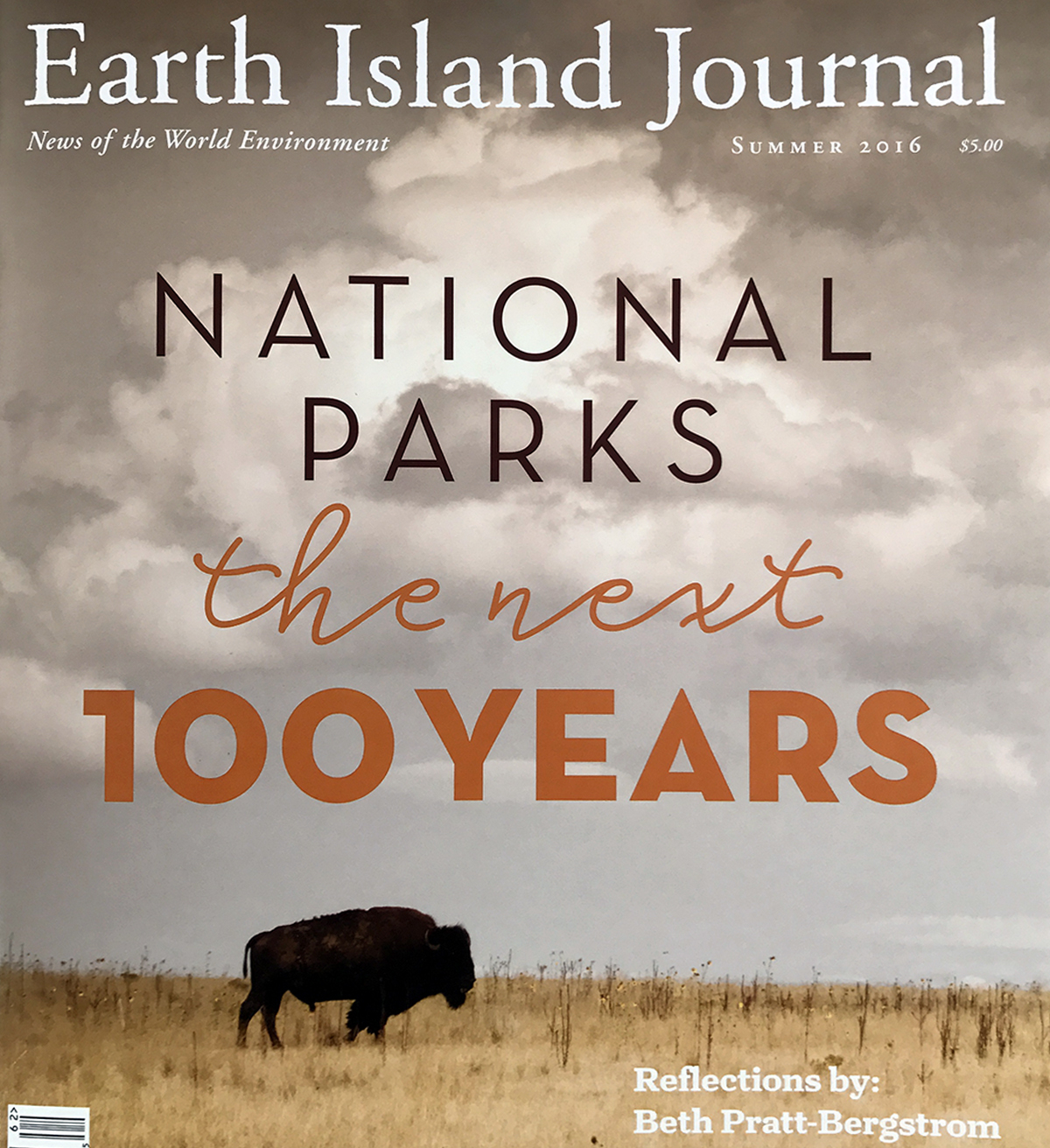
Earth Island Journal, National Parks: The Next 100 Years, Volume 31 no 2, Summer 2016
I had already been on the frontline for two years. My tactical pack – complete with camera and 500mm telephoto lens, a dozen padlocks, six feet of welded steel chain in various pre-cut lengths, notebook and pen, GPS receiver, and pocket-sized camcorder – was prepped for my morning patrol. The target zone was a 25-acre housing development, and once thriving grassland habitat, that fell victim to the real estate bubble.
Efficacy of Conservation Banks as a Tactic for Sustainable Development: Reducing population Vulnerability of Athene cunicularia hypugaea
University of Illinois, Springfield 2013
Through an over reliance on conservation banks as a one-size fits all approach to
environmental impacts, the conversion of grassland ecosystems to agriculture and residential and urban development, inadequate and unenforceable state burrowing owl mitigation policies and guidelines, and difficulties in implementing the concept of sustainable development at the local, regional and state level are contributing to unsustainable trends that continue to challenge burrowing owl persistence.
Sustainable Development: A tactic to reduce population vulnerability of Western Burrowing Owls in California
Burrowing Owl Conservation Network 2013, Berkeley, CA
Using the key principles of efficiency, equity and precaution and its connection to social, environmental and economic costs, findings suggest that 1) burrowing owls must receive state or federal Endangered Species Act protections; 2) regulatory agencies must uphold a position that burrowing owl mitigation outside of the region where development occurred does not compensate for local impacts; and 3) impacts to burrowing owls can be effectively mitigated with a system that employs both conservation banks and the establishment of local, urban preserves including the use of an unintentional system of reserves that is comprised of public land such as airports, closed landfills and the margins of golf courses and athletic fields.
Managing California's grassland ecosystems for Athene cunicularia hypugaea
Grasslands Journal21(3):4-5,12 (2011)
Carefully grazed and mowed native- and exotic plant–dominated grasslands have provided optimal breeding and foraging habitat across the burrowing owl’s range. Mowing does not eliminate dry plant material that may shade or limit emerging tillers and native plants; frequent grazing can result in habitat degradation; and prescribed burning has inherent risks and is the most costly tool for grassland habitat management. Therefore, combining strategies to maintain and restore burrowing owl habitat may prove useful.
The Little Owls that Live Underground
Smithsonian Magazine. 12 May 2010 – Interview by John Moir
It’s almost midnight and a lone white pickup truck sits atop a grassy hill on a remote tract of government land near Dublin, California, that is used as a military training base. In the driver’s seat, biologist Jack Barclay hunkers down over a night-vision scope that amplifies light 30,000 times. Barclay is watching two quarter-size pieces of glowing reflective tape that mark a trap he has concealed in low weeds 100 yards away.
PRESENTATIONS
California State Salmon Strategy Roundtable
California State Natural Resources Agency, 23 April 2025 (Presentation/Panel)
Tribes and Fishing Community Hurt by the Declining Health of the Bay-Delta Watershed and Low Salmon Numbers
California State Water Resources Control Board, 26 April 2024 (Presentation/Panel)
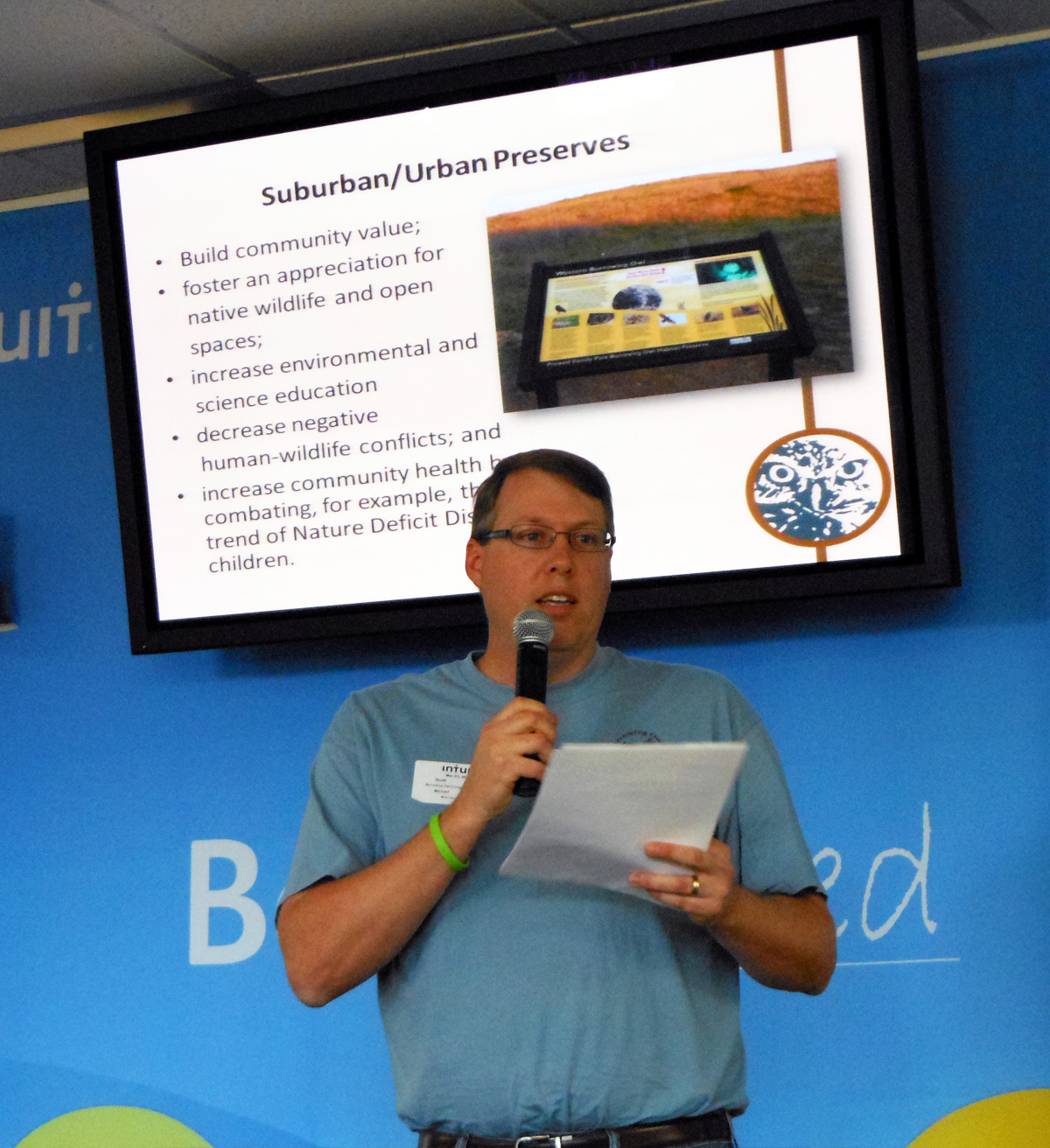
Expanding the Conservation Community to Safeguard California’s Western Burrowing Owl
Burrowing Owl Consortium, 23 March 2013 (Speech)
Burrowing Owls: Can They Survive Us
San Francisco Bay Flyway Conference, 11 Feb 2011 (Keynote Address)
Burrowing Owl Advocacy: Connecting Conservation and Citizen Science
Burrowing Owl Consortium, 24 Feb 2011 (Lecture)
Citizen Science and Behavioral Studies of Urbanized Burrowing Owl Colonies
San Francisco Bay Flyway Conference, 13 Feb 2011 (Lecture)
Actions to Protect Western Burrowing Owl Nesting and Wintering Habitat in the East San Francisco Bay Area
Burrowing Owl Consortium,6 Feb 2010 (Lecture)
ACKNOWLEDGEMENTS
Enrichment with anti-cytokeratin alone or combined with anti-EpCAM antibodies significantly increases the sensitivity for circulating tumor cell detection in metastatic breast cancer patients
Breast Cancer Res 10, R69 (2008)